Guided Support
Guests should follow the trip leader / guide on pacing, acclimatisation, walking and route changes.
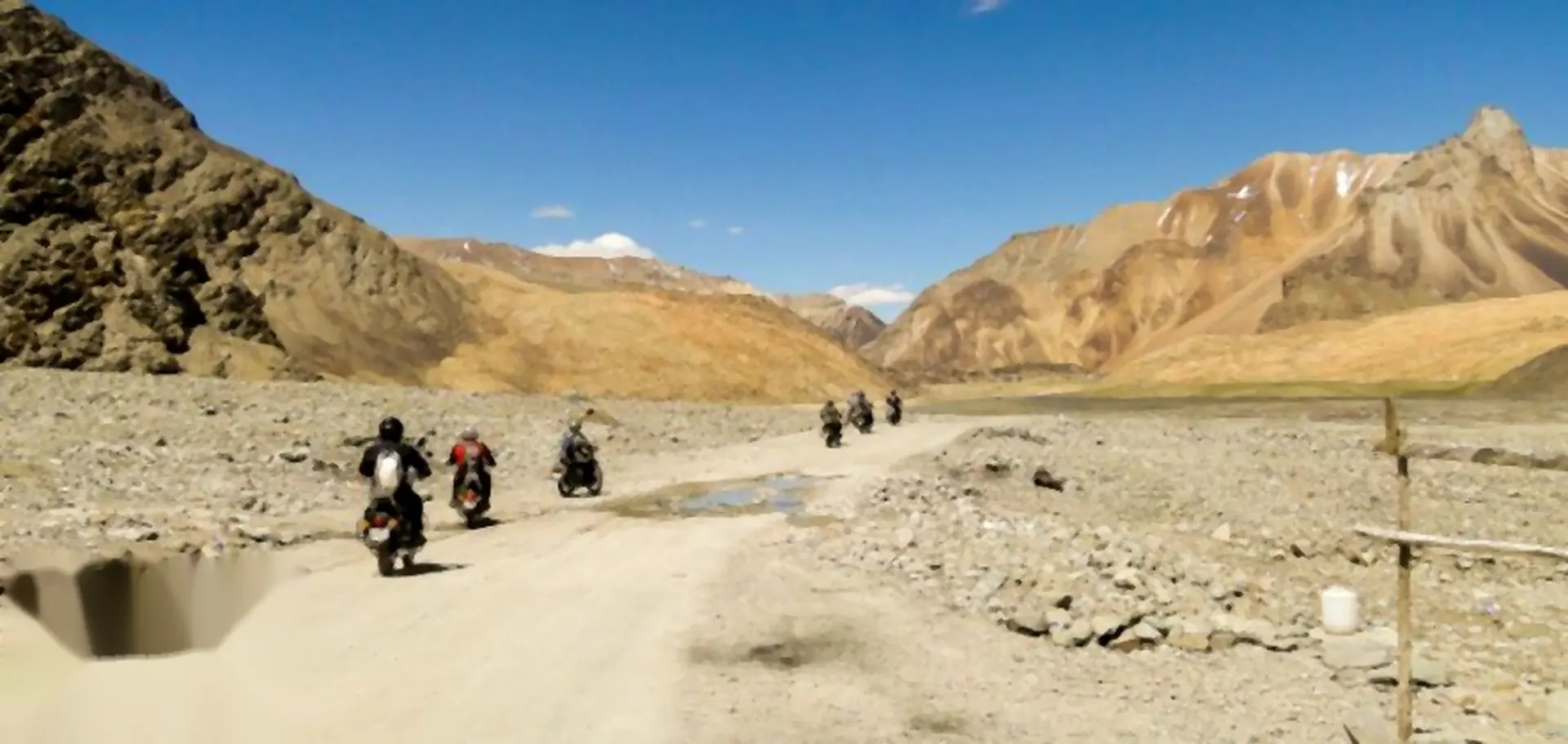
Moderate High-Altitude Journey
• A fifteen-day Delhi-to-Delhi journey inspired by Himalayan trade and cultural routes. • Travel gradually through Manali, Lahaul, Jispa and Sarchu into Ladakh's high plateau. • Spend two ni…
Next departure1 Nov 2026
02
The character of the journey.
• A fifteen-day Delhi-to-Delhi journey inspired by Himalayan trade and cultural routes.
• Travel gradually through Manali, Lahaul, Jispa and Sarchu into Ladakh's high plateau.
• Spend two nights around Tso Moriri, with Kiangdam and Korzok exploration.
• Experience the Tso Kar landscape, Stok and the monasteries of Thiksey and Hemis.
• Stay longer in Nubra for Hunder, Turtuk, the gorge and the sand-dune landscape.
• Explore Basgo, Saspol and Alchi's Buddhist art and heritage.
• Make space for village stays, local food and meaningful cultural encounters.
• Keep optional cycling and animal-related activities subject to responsible, confirmed arrangements.
For travellers comfortable with a long, high-altitude road journey, several full driving days, simple remote camps and changes in accommodation standards. It suits people drawn to Buddhist heritage, village culture, landscapes and slow exploration rather than technical trekking. Short walks and optional cycling require reasonable mobility, while altitude and road conditions call for patience and flexibility. Anyone with relevant health concerns should seek professional advice about high-altitude travel. The itinerary should not be sold as a guaranteed list of named hotels, ceremonial encounters or animal activities without current operator confirmation.
03
A clear day-by-day view, with room for the mountains to shape the experience.
Arrive at Delhi International Airport, meet the team and transfer to a comfortable hotel near the airport. Keep the day easy so travellers can recover from their journey before entering the mountains.
The original Silk Route programme began with a gentle Delhi arrival rather than immediate onward travel. This gives international and domestic guests time to recover from their journey, meet the team and understand the mountain route ahead. Hotel arrangements and meals follow the confirmed departure rather than an old named-property list.
Key experienceA soft start before the Himalayan journey.
Fly to Bhuntar and continue by road into the Kullu–Manali region along the Beas River. This valley historically served as one of the gateways towards the mountain trade routes linking the western Himalayas with Ladakh. Spend the remainder of the day at leisure.
The flight to Bhuntar and road transfer through the Beas Valley provide the first real change in landscape. The old source describes Kullu as a historical starting point for trade routes towards Ladakh, an idea that gives context to the journey ahead. The afternoon is left light, allowing travellers to settle into the mountain setting before the long drives begin.
Key experienceEnter the Kullu Valley and begin the Silk Route journey.
Travel through the Solang and Lahaul landscapes towards Jispa. When practical, visit Khangsar Fort and hike towards Kardang Monastery before settling into the Jispa / Ghemur area.
Lahaul introduces a different cultural and physical landscape from the Kullu Valley. The historical itinerary included Khangsar Fort and a walk towards Kardang Monastery, offering insight into the region's local history and Buddhist traditions. These visits remain subject to time, weather and access; the main priority is a comfortable arrival in the Jispa/Ghemur area.
Key experienceLahaul culture and Kardang Monastery.
Begin with a visit to Shashur Gompa, then continue through Lahaul towards the Baralacha La corridor. Stop around Suraj Tal when access permits and reach Sarchu for the night.
Shashur Gompa is an important cultural pause before the route climbs into the exposed Baralacha La corridor. The old programme described views around Suraj Tal and a night in Swiss-style tents at Sarchu. At this elevation, comfort and acclimatisation matter more than adding extra stops; the final camp arrangements depend on the season and confirmed departure.
Key experienceMonastery morning and transition into the high plateau.
Travel through the Gata Loops, Lachulung La region and Moore Plains before continuing into the remote Changthang landscape and reaching Tso Moriri.
This is a major high-altitude driving day. The historical source follows the Gata Loops, Lachulung La and the broad Moore Plains before reaching the remote Changthang region. The dramatic scale of the landscape is the day's defining experience. Arrival timing, route choice and time by Tso Moriri depend on road conditions, weather and how the group is adapting to altitude.
Key experienceA major landscape transition into Changthang.
Walk towards Kiangdam and spend time in the Tso Moriri Wetland Conservation Reserve landscape. Return for lunch and later explore Korzok village and Korzok Gompa.
The second day at Tso Moriri is what makes this itinerary different from a rushed lake circuit. The source includes a walk towards Kiangdam, time within the wetland reserve landscape and a visit to Korzok Gompa. Wildlife and migratory birds may be present, but observation is never guaranteed. The walking route should respect local restrictions and the group's altitude tolerance.
Key experienceLakeside walking and Korzok culture.
Travel north via Puga Sumdo and the high-altitude lakes around Tso Kar / Startsapuk before continuing through the Taglang La corridor and descending to Stok in the Indus Valley.
Travelling via Puga Sumdo and the lakes around Tso Kar and Startsapuk reveals another side of the high plateau before the route descends towards the Indus Valley. The historic itinerary used Stok as a quieter base near Leh and named a heritage stay there. Treat that as the style of experience sought, not an automatic guarantee of a particular property.
Key experienceHigh-altitude lakes to the Indus Valley.
Rise early for the opportunity to experience morning prayers at Thiksey Monastery. Continue to Hemis Monastery and later visit Stok Palace. The historical itinerary also referenced an Oracle experience; this should only be offered where the current departure can genuinely arrange it.
An early visit to Thiksey can offer the atmosphere of morning prayers where monastery schedules and access permit. Hemis and Stok Palace add different perspectives on Ladakh's Buddhist heritage and royal history. The old source also mentioned an Oracle encounter, but this is not a standard inclusion and should only be offered if genuinely arranged for the departure.
Key experienceA deep cultural day in Ladakh.
Travel into Nubra Valley via the current high-pass route, visiting Diskit Monastery en route before continuing to Hunder. Settle into a village-style property among the unusual river, desert and mountain landscape.
The road into Nubra crosses a high mountain corridor before descending into a landscape of rivers, dunes and villages. Diskit Monastery provides a cultural stop along the way. The old itinerary emphasised Hunder's village-house accommodation and several nights in the valley; the present journey retains that slower rhythm, with the actual property confirmed separately.
Key experienceEnter Nubra and settle into village life.
Spend the day travelling towards Turtuk, exploring Balti village culture, orchards, traditional architecture and the distinct landscape of the northern Shyok region. Return to Hunder.
Turtuk offers a cultural contrast to much of central Ladakh, with Balti traditions, orchards and distinctive village architecture. The journey is as much about observing local life respectfully as it is about the drive. The historical source made ambitious long-distance viewing claims; the present programme does not promise visibility of particular distant peaks.
Key experienceA cultural day in Turtuk.
Walk through Hunder Gorge for roughly 3.5 hours, following terrain historically associated with the Silk Route. Later explore the sand-dune landscape and a Bactrian camel experience where ethically and operationally available.
The historical Silk Route itinerary devoted a morning to Hunder Gorge, described as roughly a three-and-a-half-hour walk, before time in the dune landscape. A Bactrian camel experience was also mentioned; this should only be included if ethically and operationally appropriate. The real value of the day is time to appreciate the contrast between river gorge, village and high-altitude desert.
Key experienceWalk an old Silk Route landscape.
Leave Nubra and continue towards the Indus Valley, historically via Wari La. The old source also referenced a yak ride; this should only be included if the current departure genuinely offers it. Reach Nimmu and spend a leisurely evening in the village.
The transition from Nubra to the Indus Valley is another long mountain travel day. The older programme referenced Wari La and a bareback yak ride, but neither a specific pass nor an animal activity should be guaranteed without current confirmation. The destination is Nimmu, where the pace slows again after the crossing and there is time for a village evening.
Key experienceCross between two major Ladakh valleys.
Explore the Indus Valley by bicycle where operational, riding towards Basgo. Visit Basgo Gompa, the Maitreya temples, Saspol cave temples and Alchi Monastery before returning to Nimmu.
Basgo's fortress landscape and Maitreya temples, the Saspol cave paintings and Alchi's remarkable Buddhist art give this day exceptional cultural depth. The source also proposed cycling between villages. Cycling is retained as an option only when equipment, route safety and guest fitness permit; the heritage visits themselves remain the core of the day.
Key experienceBuddhist art, fortress landscapes and cycling.
Transfer for the flight from Leh to Delhi. On arrival, settle into the hotel and use the final evening to reflect on the journey.
The flight from Leh to Delhi marks a sudden change from the quiet of the high plateau to the capital. The original itinerary deliberately included a final hotel night rather than expecting every traveller to connect immediately onward. This provides time to reflect on the route and a buffer around the end of a long mountain journey.
Key experienceReturn to Delhi.
Transfer to Delhi International Airport and conclude the journey.
The journey ends with the transfer to Delhi International Airport. After fifteen days of valleys, monasteries, high lakes and villages, the final day is intentionally uncomplicated. Departure assistance and any onward arrangements follow the confirmed booking details.
04
The practical details, kept clear.
05
Thoughtful preparation makes more space for the experience.
Prepare for large temperature changes across Delhi, Manali, Lahaul and Ladakh.
The itinerary includes moderate walking and possible cycling.
Hydration and sun protection are important at altitude.
Remote areas can have limited connectivity and ATM access.
06
Clear guidance, experienced support and decisions led by conditions on the mountain.
The itinerary is deliberately slower, but it still involves sustained high-altitude travel and remote roads.
Guests should follow the trip leader / guide on pacing, acclimatisation, walking and route changes.
Travellers should be comfortable with long road days and moderate walking / cycling experiences.
Current first-aid and high-altitude support are confirmed for each operating departure; evacuation time depends on location and access.
Several sections of Lahaul and Ladakh are above 4,000 m; acclimatisation, hydration and honest symptom reporting are essential.
Weather, landslides, flight schedules and road access can alter the programme.
Layered clothing, suitable footwear, sun protection and practical luggage are required.
Guests should carry personal medication and suitable travel insurance.
No advanced adventure skill is required, but good general health and comfort with altitude are important.
The route, named activities and properties may be substituted where weather, access or availability require it.
07
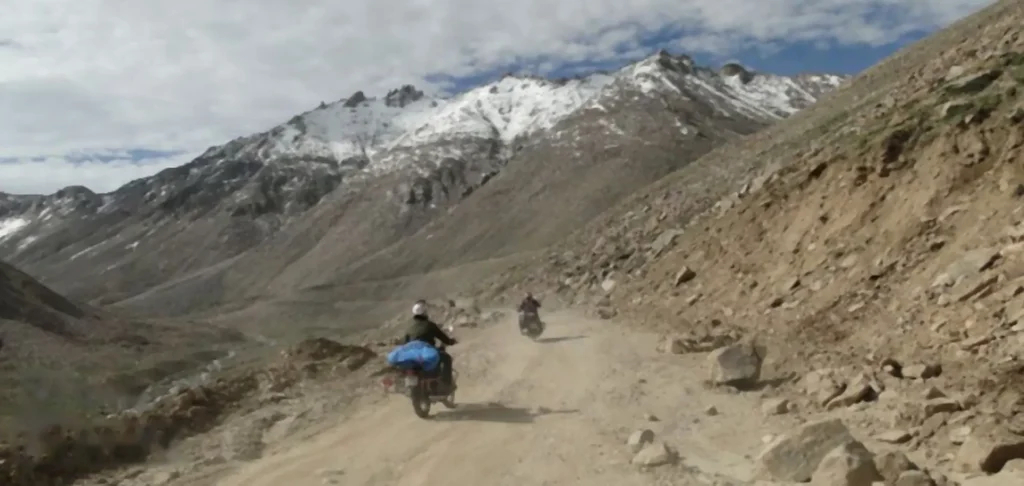


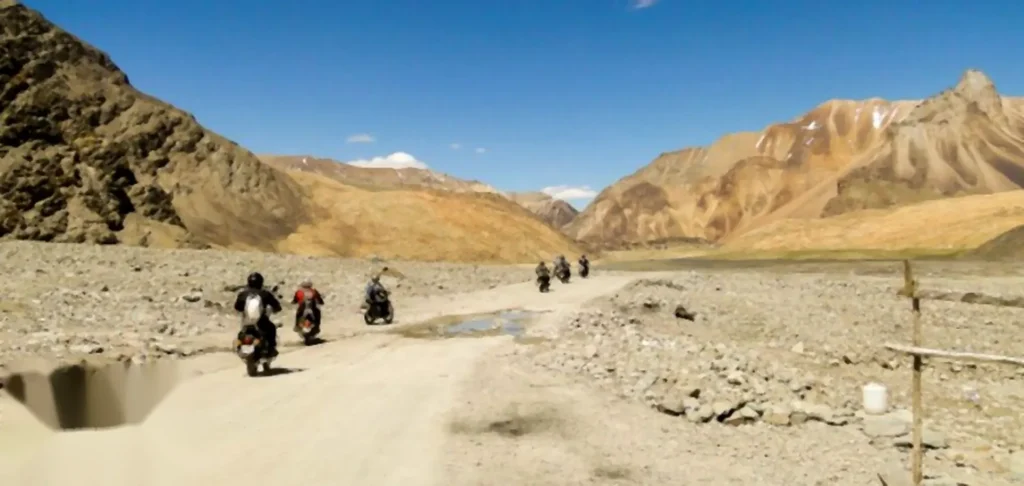
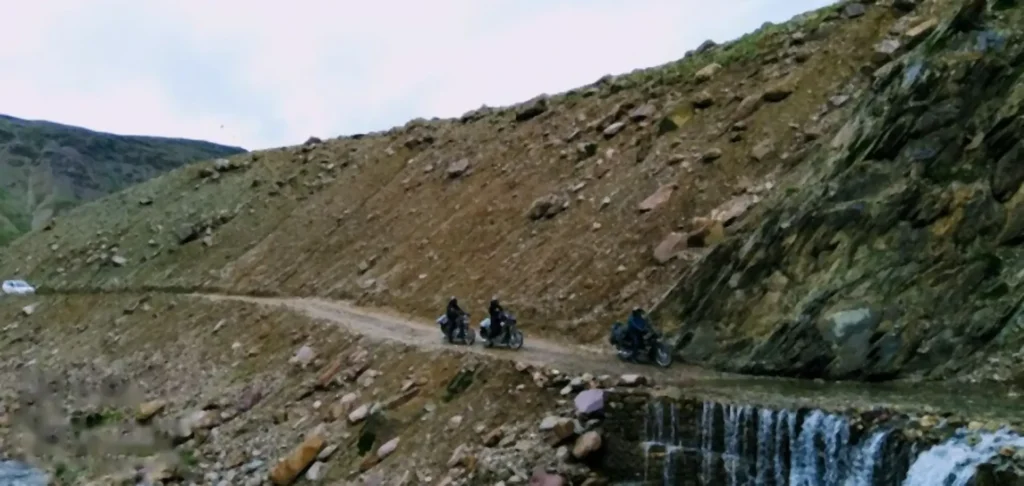
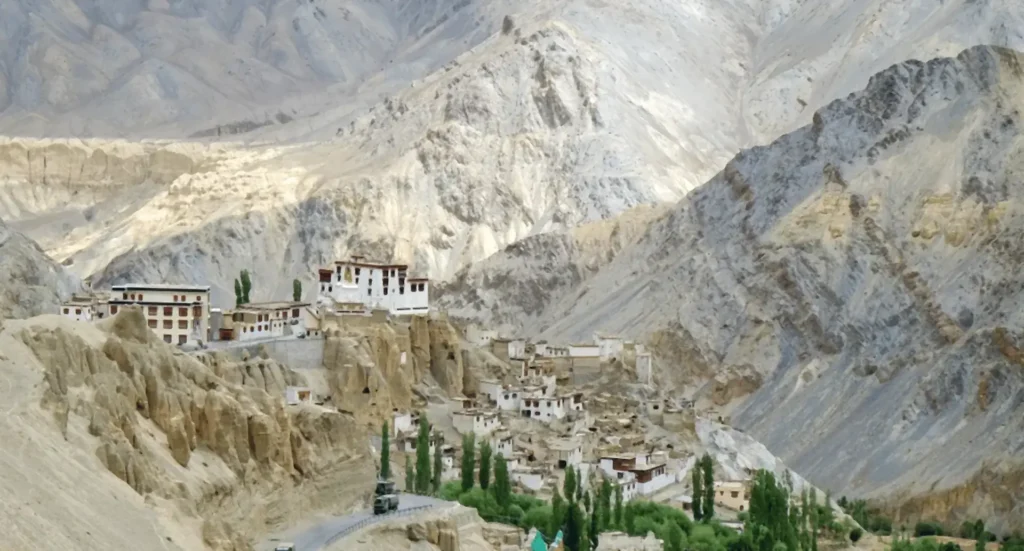
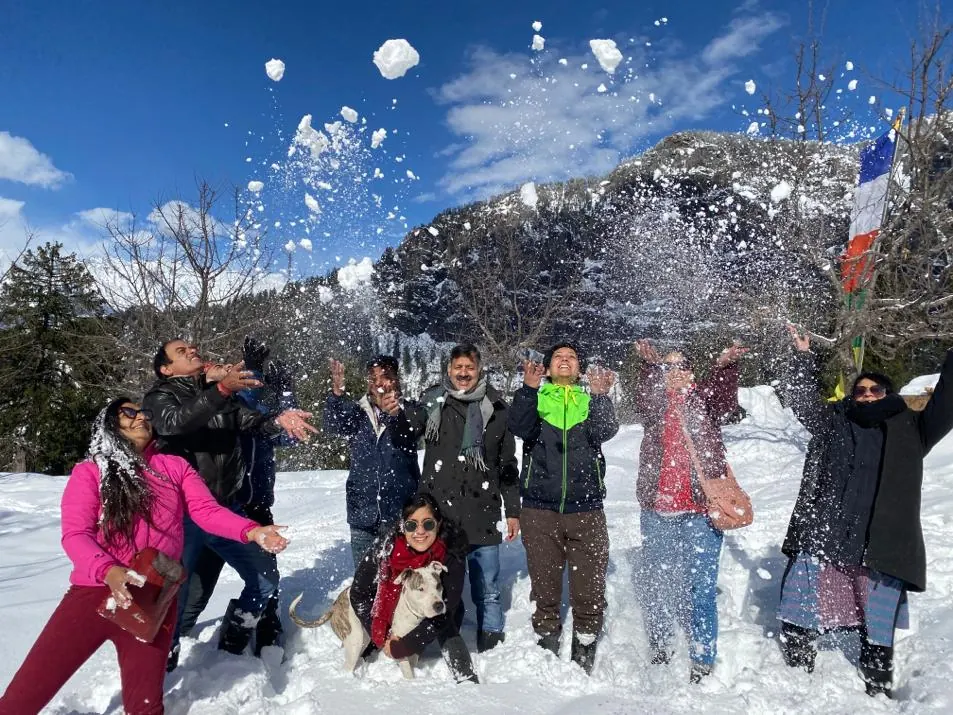
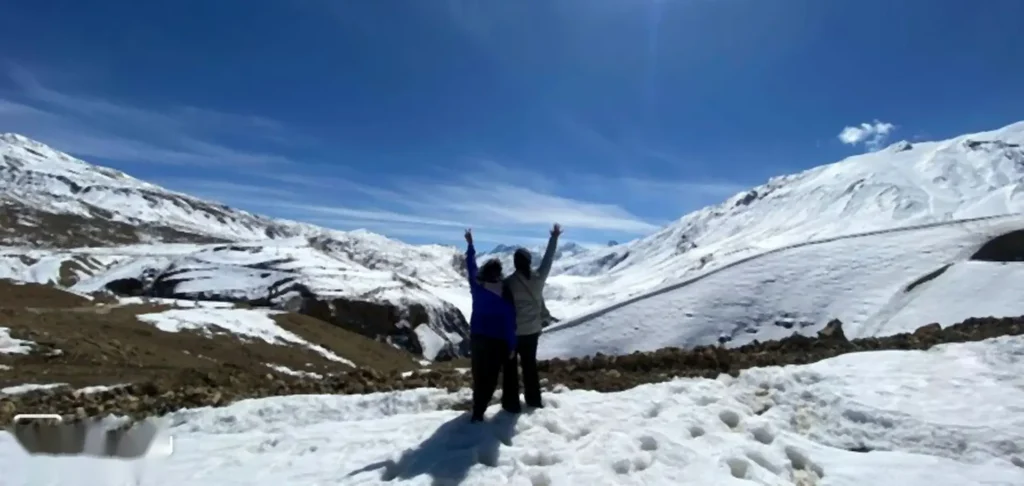
6 photographs from this journey
08
The full Himalayan Silk Route itinerary is 15 days / 14 nights from Delhi to Delhi.
No. Not So Fast Ladakh is the motorcycle-focused product. Experiential Ladakh is place, culture and experience led.
The full version begins in Delhi, flies to the Kullu region and enters Ladakh through Manali and Lahaul.
Yes, with two nights around the Tso Moriri region in the full itinerary.
Yes.
Yes in the full itinerary.
Yes. The journey includes active experiences such as Kardang, Kiangdam and Hunder Gorge.
The source includes a cycling experience around Basgo; it remains subject to current operating conditions.
A mix of hotels, heritage properties, village houses, camps and experiential stays, with named properties or similar according to availability.
Breakfast, lunch and dinner are included across most mountain days; exact day-specific meal inclusions are shown in the itinerary.
It does not require advanced adventure skills, but travellers should be comfortable with high altitude, long road days and moderate walking.
Yes. Himalayan roads, weather, flight schedules and local conditions can require changes.
Because the itinerary prioritises depth, local culture and time in each place rather than covering the maximum number of destinations as quickly as possible.
Mountaineerz can curate shorter variants; this page uses the full 15-day Delhi-to-Delhi Silk Route journey as the primary itinerary.
The current working price for the full 15-day version is ₹189,500 per person plus 5% GST.
09
The details that help you decide.
Upcoming departures
10
Three more ways into the mountains.
11
Plan this Adventure or ask a curator to shape the right journey around you.