Guided Support
Experienced local spotters and guides determine daily movement based on wildlife signs and field conditions.
Moderate to Challenging
• Three dedicated days of patient snow leopard tracking in the Chicham/Kibber landscape. • Local spotters and field decisions informed by fresh signs, prey movement and conditions. • Opportu…
₹ 245,000per person
Next departure4 Nov 2026
02
The character of the journey.
• Three dedicated days of patient snow leopard tracking in the Chicham/Kibber landscape.
• Local spotters and field decisions informed by fresh signs, prey movement and conditions.
• Opportunities to observe ibex, blue sheep and other high-altitude wildlife, with no sightings guaranteed.
• Travel through Kinnaur and Spiti, including Nako, Tabo, Dhankar and Kaza where feasible.
• Experience the hospitality and winter routines of remote mountain communities.
• A specialist wildlife focus rather than a generic sightseeing circuit.
• Flexible observation locations chosen for safety, visibility and current field information.
For patient wildlife enthusiasts, photographers and travelers comfortable with severe cold, altitude, basic mountain accommodation and long periods of still observation. The tracking days may involve uneven snowy ground, short hikes or extended waiting, depending on field information. A reasonable level of fitness and the ability to follow spotter instructions are important. This is not suitable for anyone who requires a guaranteed sighting or rigid daily timetable. Travelers with medical concerns related to altitude or cold should seek professional advice before booking.
03
A clear day-by-day view, with room for the mountains to shape the experience.
Reach Chandigarh by around midday, meet the expedition team and begin the drive into Himachal towards Narkanda. The first day is intentionally gradual so the group can begin adjusting to mountain conditions before entering higher terrain.
The first drive is deliberately gradual, allowing the group to meet the expedition team and settle into the rhythm of winter travel. Narkanda provides an intermediate halt before the more exposed Kinnaur and Spiti terrain. Use the evening to review clothing, equipment and the demands of long days in cold mountain conditions.
Key experienceBegin the transition into the winter Himalayas.
After breakfast, receive the main expedition briefing and continue into Kinnaur. Drive through the Sarahan region and along the Sutlej valley towards Reckong Peo, with Kalpa and the surrounding Kinnaur landscape nearby.
The road through the Sarahan corridor and the Sutlej Valley brings the group into Kinnaur. The historical expedition used this day for a fuller briefing on the days ahead, including the importance of quiet observation and flexibility. Reckong Peo provides a practical overnight stop before the long drive into the higher Spiti landscape.
Key experienceMove deeper into Kinnaur.
Continue towards Spiti after breakfast. Visit Nako, continue to Tabo and its ancient monastery, and include Dhankar when road access and timing permit. Pass through Kaza and reach Chicham, where the expedition transitions from road journey to active wildlife tracking.
Nako and Tabo introduce the cultural side of the journey, with monastery landscapes and villages adapted to a severe climate. Dhankar and Kaza may be included if road access and daylight allow. By the time the group reaches Chicham, attention shifts to the wildlife environment: meeting local spotters, reviewing recent field information and preparing for several days of patient searching.
Key experienceEnter the snow leopard landscape.
Head into the wildlife landscape with local spotters. The team evaluates recent tracks, prey movement and current information before choosing where to scan. Spend the day observing ridge lines, rocky outcrops and likely movement corridors, with packed lunch carried into the field where appropriate.
The first tracking day begins with the spotters assessing signs and recent movement around the Kibber wildlife landscape. The old programme described a full day in the field, scanning likely slopes and returning to a local stay by evening. Today's plan remains responsive: the team may walk to a viewpoint or spend longer watching one promising area. Binoculars, warm layers and silence are as important as covering distance.
Key experienceFirst full day tracking the Grey Ghost.
Return to the field after breakfast. Walking distance and location depend entirely on fresh wildlife signs, snow, visibility and access. The day may focus on snow leopard sign as well as ibex, blue sheep and other high-altitude wildlife.
Fresh tracks, prey movement and weather determine the search area. Ibex and blue sheep are important species to observe in their own right and may help spotters interpret the wider predator landscape. The team may relocate between suitable observation points rather than repeating the previous day's route. There can be long quiet periods with little visible activity; that patience is fundamental to responsible wildlife tracking.
Key experienceTrack wildlife according to current field intelligence.
Spend another full day in the wildlife landscape. The team may move between Chicham, Kibber and nearby observation zones using a combination of vehicle-assisted access, walking and fixed-position scanning. No sighting is guaranteed.
A third day in the Chicham/Kibber region provides time to follow up on new information and revisit promising terrain. The historic itinerary again allowed a full day in the field, but actual walking and observation hours depend on snow, visibility, safety and current wildlife signs. Return to the local stay after the day's search, with the understanding that the experience is about the ecosystem as much as any single animal.
Key experienceA third dedicated tracking day in prime winter habitat.
Begin the return journey after breakfast. Stop around Kaza for lunch and local exploration when conditions and timing permit, then continue towards Reckong Peo for the night.
The expedition begins the return towards Kinnaur. Kaza offers a natural break when the road and schedule permit, and the long drive provides a chance to reflect on the field days with the spotters. Winter road conditions can change travel times significantly, so this day is treated primarily as a safe transfer rather than a sightseeing programme.
Key experienceReturn through Spiti and Kinnaur.
Continue through Kinnaur after breakfast. Visit Kalpa when practical and use safe viewpoints in the area before reaching Narkanda for dinner and overnight stay.
The journey continues through Kinnaur, with Kalpa or suitable viewpoints included only when time and conditions allow. Forested lower hills gradually replace the exposed high desert. Narkanda is the final mountain overnight, making the descent to Chandigarh more manageable.
Key experienceFinal Kinnaur day.
Enjoy the final morning in the mountains, descend to Chandigarh and conclude the expedition.
After breakfast, descend to Chandigarh and conclude the expedition. A wildlife journey may produce remarkable sightings, subtle field signs or simply a deeper understanding of how these animals survive; all are valid outcomes. Onward travel should allow a practical buffer for winter road delays.
04
The practical details, kept clear.
05
Thoughtful preparation makes more space for the experience.
Guests must arrive prepared for severe winter temperatures.
Tracking may involve snow, ice and uneven terrain.
Cold reduces battery life significantly.
High-altitude insurance is strongly recommended.
06
Clear guidance, experienced support and decisions led by conditions on the mountain.
This is a real wildlife expedition: no staged encounters and no guaranteed sightings.
Experienced local spotters and guides determine daily movement based on wildlife signs and field conditions.
Guests should be comfortable with long cold field days and variable walking on snow / uneven terrain.
First aid and emergency oxygen form part of the planned operating setup; evacuation time can be affected by winter access.
The expedition reaches very high settlements, including the Chicham / Kibber landscape above 13,000–14,000 ft.
Extreme cold, snow and winter road conditions can alter both field days and the road itinerary.
Full winter clothing, insulated boots and suitable field equipment are required.
Guests must carry personal medication, report altitude symptoms honestly and hold suitable travel insurance.
Best for guests comfortable with cold, patience, uncertainty and flexible walking demands.
The field team can change the tracking area, shorten a day or alter the road route for safety and wildlife considerations.
07
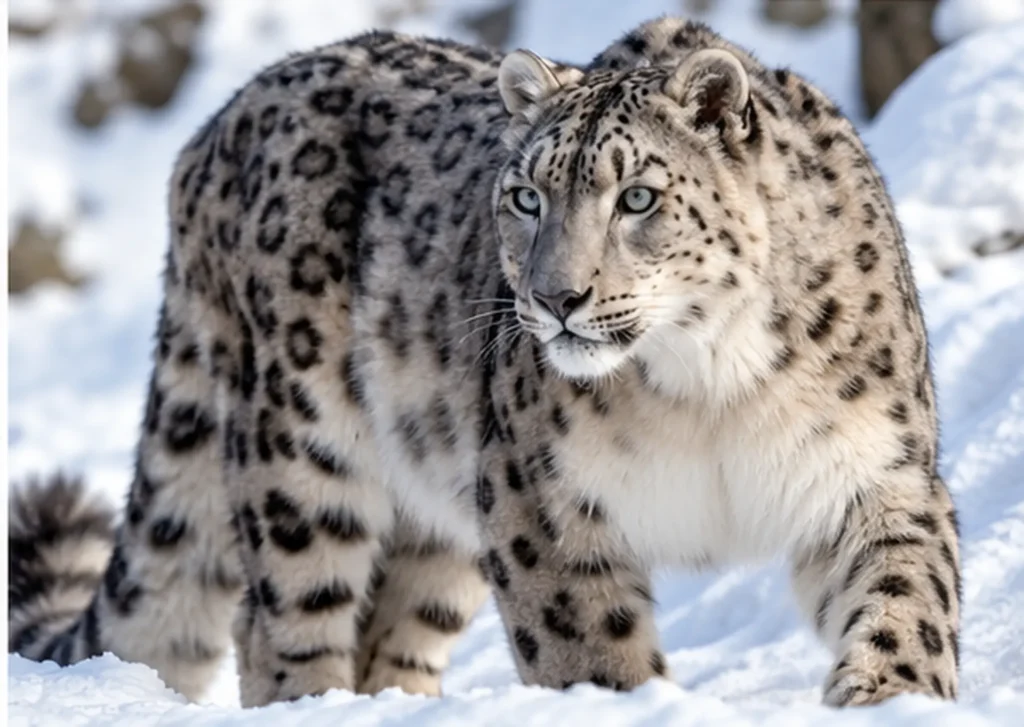
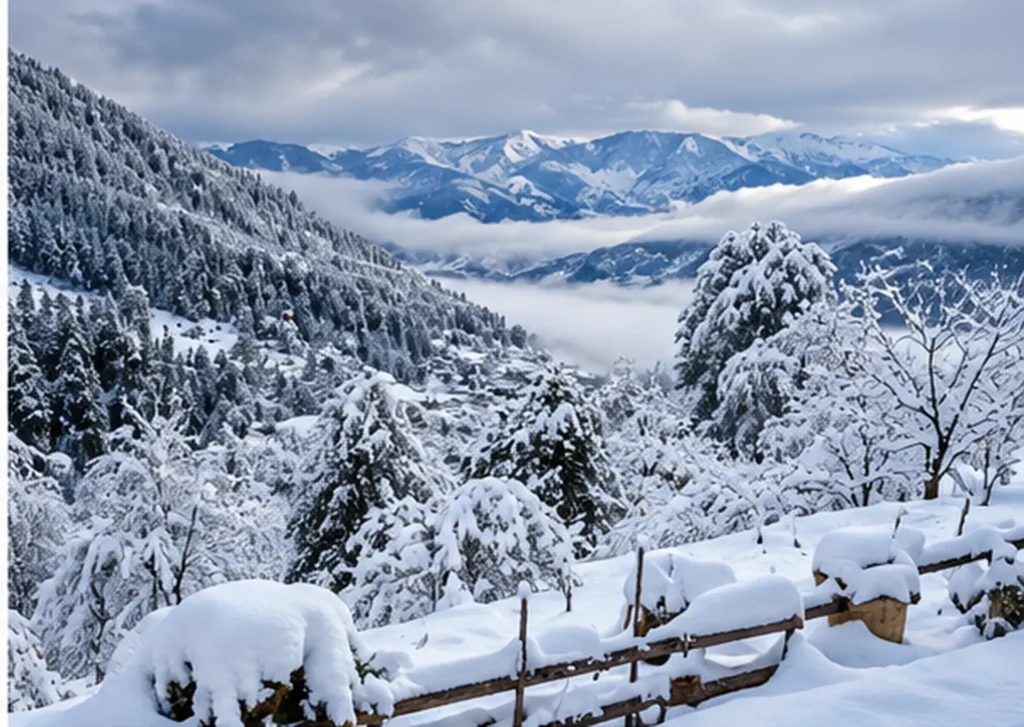
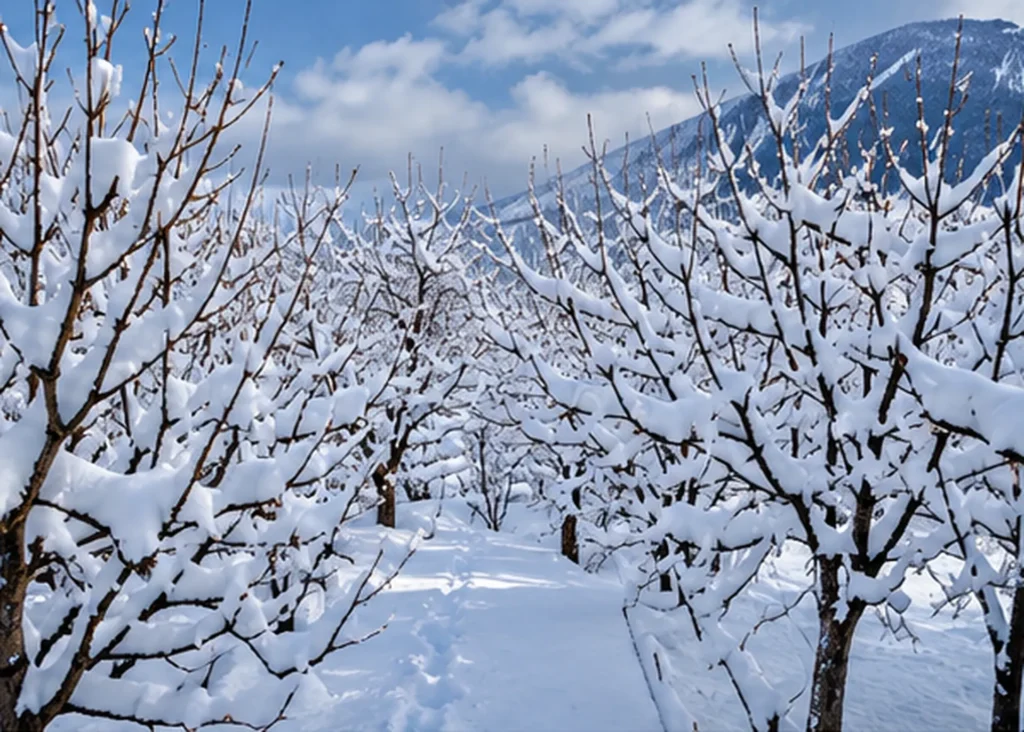
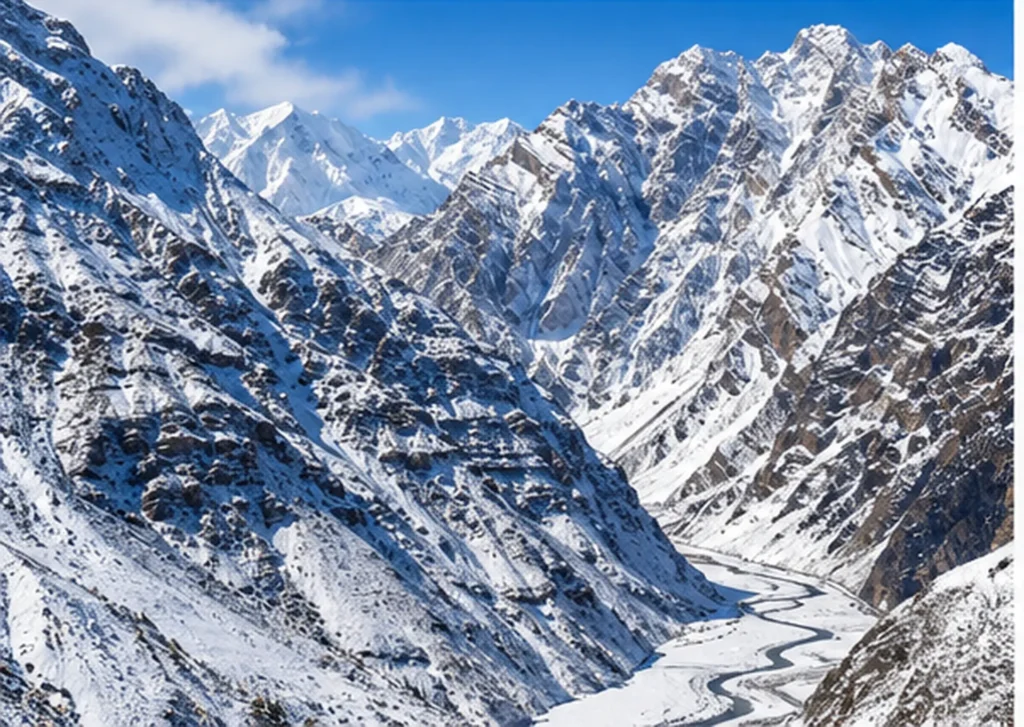
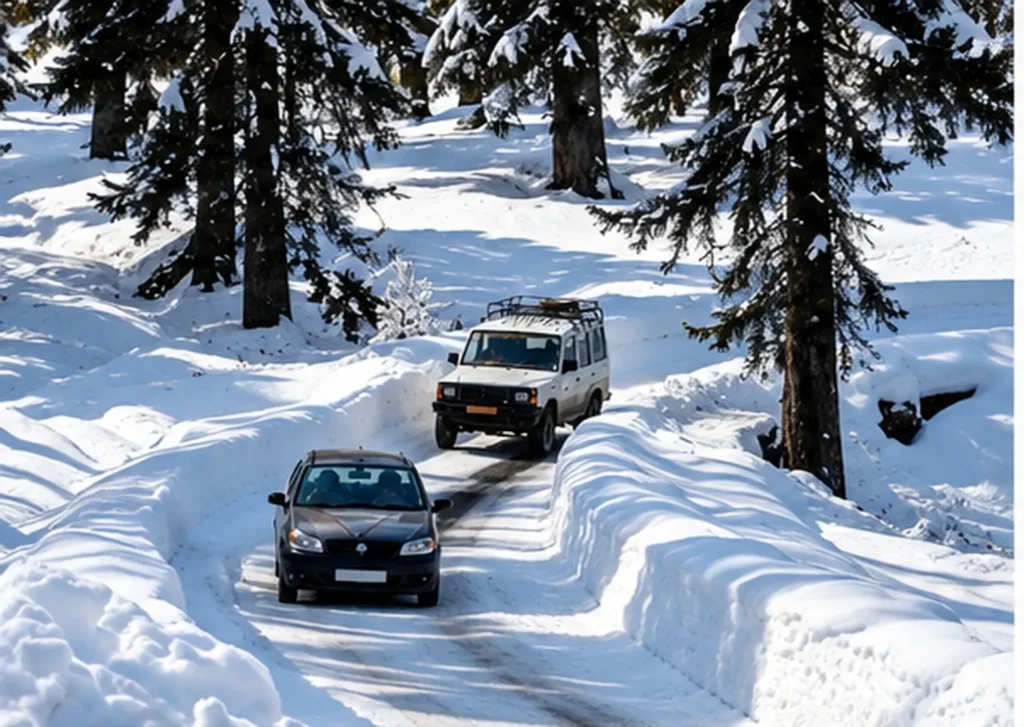
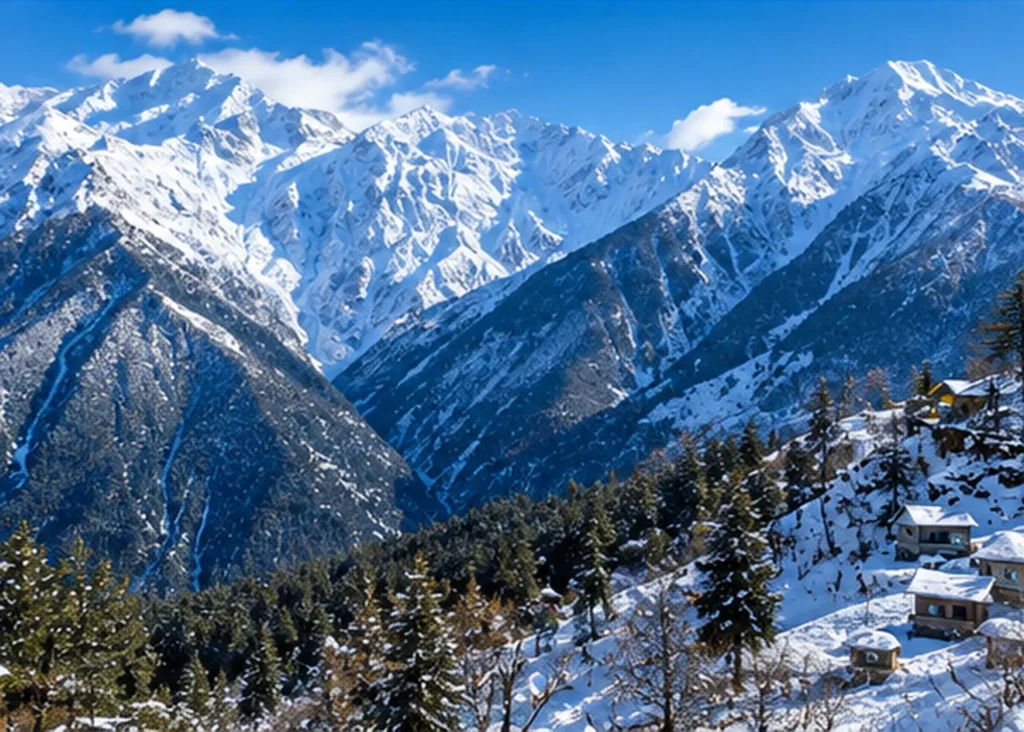
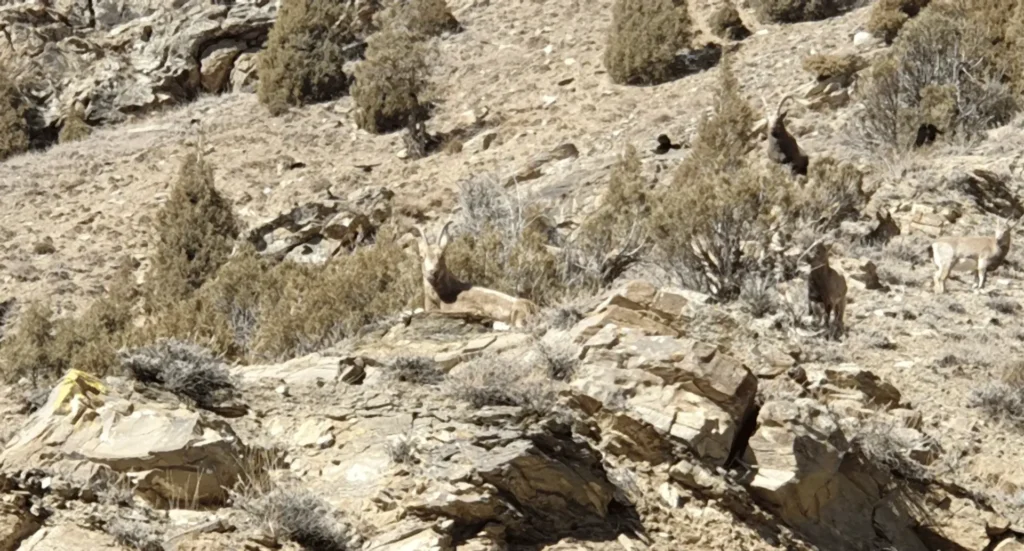
7 photographs from this journey
08
No. Snow leopards are wild animals and no sighting can ever be guaranteed.
The current 9-day itinerary includes three principal full wildlife-tracking days around the Chicham / Kibber landscape.
Not in the traditional continuous-trek sense. It is a road-based winter wildlife expedition with high-altitude tracking walks.
Primarily around Chicham, Kibber and the surrounding high-altitude wildlife landscape.
The current working group size is approximately 4–6 guests.
No. The expedition suits wildlife enthusiasts as well as photographers.
There is no fixed daily distance. Walking depends on wildlife signs, snow, terrain, access and the location identified by the spotters.
Winter Spiti experiences severe sub-zero conditions, especially overnight. Guests must arrive prepared for extreme cold.
Possible wildlife includes Himalayan ibex, blue sheep, Tibetan wolf and a range of high-altitude birds. Nothing can be guaranteed.
Traditional Spitian homestays around Chicham / Kibber, subject to winter access and availability.
Yes. Winter road access, snow and weather can significantly change both the road route and the daily tracking plan.
Emergency oxygen is part of the planned operating setup where carried by the expedition team; the final departure briefing confirms the exact field equipment.
Strongly recommended, particularly cover that includes high-altitude medical treatment and emergency evacuation.
The expedition continues as a specialist Himalayan wildlife and winter landscape experience. No sighting-related refund or guarantee applies.
09
The details that help you decide.
Upcoming departures
10
Three more ways into the mountains.
11
Plan this Adventure or ask a curator to shape the right journey around you.