Guided Support
The trek leader has complete authority to change camps, alter the route, turn back or abandon the lake attempt.

Challenging
Walk the path least travelled.
₹ 35,000per person
Next departure6 Nov 2026
02
The character of the journey.
• Follow a relatively little-used exploratory trail from Soil / Soyal into the Pir Panjal landscape.
• Walk through deodar forest, upper meadows and traditional Gaddi shepherd country.
• Discover the mountain's folklore, including stories associated with Jamdagni Rishi and Vasuki Nag.
• Learn about the Mountaineerz explorations of the route dating to 2011.
• Climb towards the high basin of Batarunaag Saur, Vasukinaag Saur, Futta Saur and Mata Kotli Saur when conditions permit.
• Camp in quieter mountain terrain, with expansive views towards Hanuman Tibba and the Dhauladhar on clear days.
• Experience a genuinely demanding route where navigation, weather and local knowledge matter.
For fit, experienced trekkers comfortable with sustained ascents, steep or slippery ground, rough boulder sections, camping and variable high-altitude weather. The route is not a beginner's forest walk: sections can be faint, overgrown or exposed, and lake visibility is never guaranteed. Participants should be prepared for multiple consecutive trekking days and the possibility of a shorter turnaround if conditions deteriorate. The trek is especially rewarding for people who appreciate mountain ecology, shepherd culture, local folklore and quiet, less-frequented routes. Guests with relevant medical concerns should seek professional advice before committing to altitude and exertion.
03
A clear day-by-day view, with room for the mountains to shape the experience.
Meet the Mountaineerz team at the confirmed pickup point, transfer towards Soil / Soyal and begin the trek. Walk through the village and continue via Guhad into broad meadows and mixed Himalayan forest towards Mindua. This first trail day moves gradually away from roads and into the quieter mountain landscape. Settle into camp and prepare for the higher route ahead.
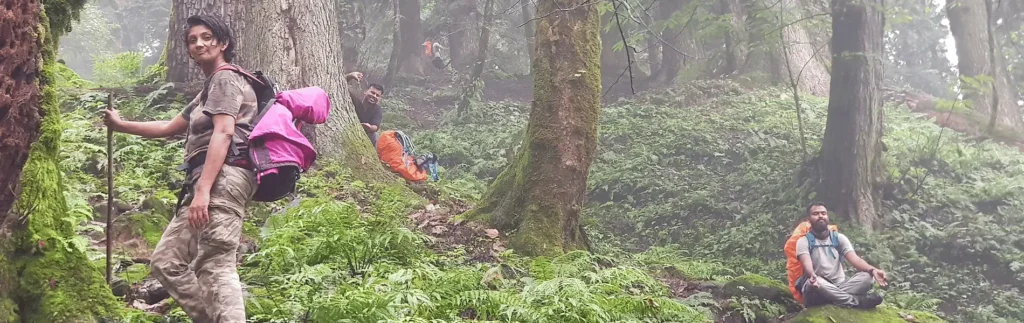
The trail begins close to one of the older village landscapes of the Kullu Valley, then leaves the settled area for Guhad and the forest above. The original YoloO route describes a gradual transition from village paths into meadows used by local cattle and then a richer forest of deodar and mixed Himalayan species. The quiet of this first day is deceptive: the mountain becomes progressively more remote as the group climbs. The current programme proceeds towards Mindua camp on day one; the separate Vanvaas arrival-and-overnight day in the older itinerary is not part of this six-day schedule. The older route account describes forests of kharshu, walnut, chestnut and bhojpatra at different elevations, with many Himalayan bird species in the wider landscape. These details enrich the walk without turning wildlife into a promised attraction. The group's first camp is a chance to notice how quickly the atmosphere changes after leaving the villages below.
Key experienceLeave the Kullu valley villages and climb into the forest.
Climb through thick oak and mixed Himalayan forest, crossing the Chowkigarh nalla sector and moving towards Shodupathar / Dhundha. The trail can be wet, overgrown or less defined depending on the season, making local route knowledge important. Camp in the upper meadow landscape.
The old trail account describes thick vegetation, changing undergrowth and sections that can become difficult to follow, especially in wet weather. Moving towards Shodupathar/Dhundha, the group passes through oak and other mixed forest, with seasonal streams and the possibility of observing birds or signs of wildlife. The route has long been associated with local grazing paths rather than a heavily engineered trekking corridor. The guide sets a measured pace and chooses safe crossings before the camp in the upper meadow zone. In monsoon conditions the original explorer noted that grasses and shrubs can obscure sections of trail; this is one reason the route relies on guides familiar with the mountain. The group crosses the Chowkigarh nalla sector according to current water levels and terrain. Progress is measured by safe movement rather than an exact arrival hour.
Key experienceMove deeper into the upper forest and meadow system.
Continue the ascent as the treeline begins to thin. Pass through terrain known locally for medicinal plants and herbs before climbing onto broad high meadows traditionally used by Gaddi shepherds. On a clear day the landscape opens towards Hanuman Tibba, the Dhauladhar range and surrounding Himalayan peaks. Reach Parkuni for the high camp.
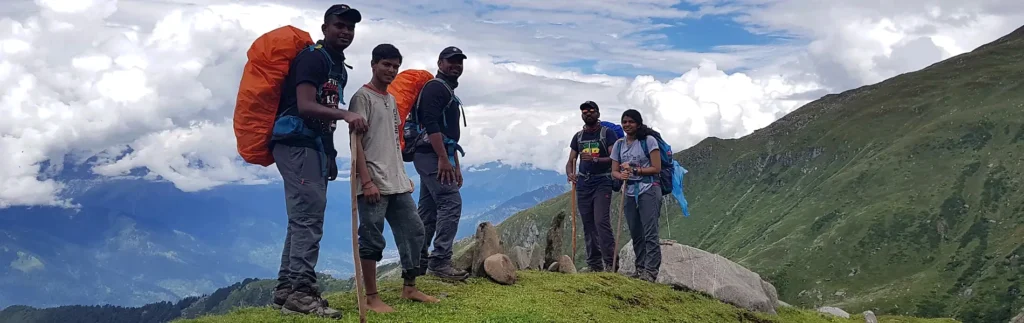
As the treeline thins, the landscape opens into broad meadows traditionally used by Gaddi shepherds and their flocks. The historical source describes medicinal and aromatic plants in this zone and expansive views towards Hanuman Tibba, the Dhauladhar and surrounding ridges on clear days. Upper sections can involve steeper climbs and boulder-strewn ground, so the group should conserve energy rather than rush to camp. Parkuni is the high base for the lake exploration that follows. Local names for mountain plants in the older source include karu, chora, patish, gugal and wild garlic, reflecting the close knowledge of seasonal vegetation among people who use these hills. The high grazing landscape may be shared with shepherds and their animals, so guests should respect camp boundaries and local practices. The views are expansive, but weather can close them in within minutes.
Key experienceClimb from forest into Gaddi shepherd and medicinal-herb country.
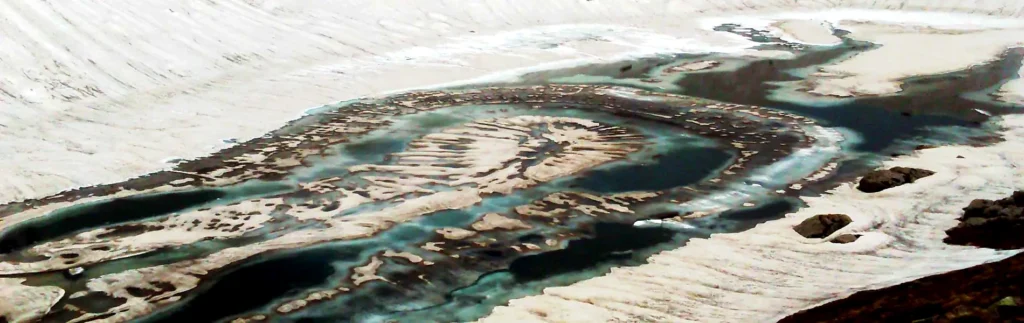
Start early and climb towards the high lake basin. Historic route material names Batarunaag Saur, Vasukinaag Saur, Futta Saur and Mata Kotli Saur. Additional seasonal water bodies may appear after rain or snowmelt. Mist, cloud and snow can hide the lakes completely even after reaching the correct basin, so visibility is never guaranteed. The upper basin is rocky and exposed, so return to Parkuni rather than camp beside the lakes.
This is the signature high day and the most weather-sensitive part of the journey. Local names recorded in the source include Batarunaag Saur, Vasukinaag Saur, Futta Saur and Mata Kotli Saur, with smaller seasonal water bodies sometimes appearing after rain or snowmelt. The lakes may be hidden by mist even when the group reaches the correct basin. The upper terrain is rocky and exposed, making a return to the established Parkuni camp more sensible than camping beside the water. The guide may shorten the circuit or turn back if visibility, snow or footing deteriorates. The local story of hidden lakes is part of the trek's identity: in the historical account, even experienced shepherds were reluctant to venture into the upper basin, and the expedition's 2011 exploration followed both oral accounts and maps. Treat those stories as living folklore and the terrain as a place deserving care. The objective is a safe exploration, not forcing every named lake into one day.
Key experienceThe signature high day among the remote lakes of the mountain.
Descend from Parkuni through alpine meadow and upper forest towards Shodupathar. The most demanding altitude section is now behind the group, but the descent still requires care on loose, wet or uneven ground. Settle into the final mountain camp.
After the high lake day, descend from Parkuni through the open meadow country and towards the upper forest. The older YoloO account speaks of shepherd camps, streams and the broad alpine landscape; the return offers a different perspective on the same terrain. Descending can be demanding on knees and concentration, especially on wet grass, loose stones or steep forest sections. The group settles into the lower Shodupathar camp, leaving a final descent for the following day. The return route offers another chance to see the relationship between alpine grazing grounds and the forests below. In poor weather, descents can be more tiring than the climb, so the group should keep walking poles and rain protection accessible. The quieter pace also leaves room to revisit the mountain stories heard on the ascent.
Key experienceRetrace the high trail after the lake-basin day.
Descend through the forest and traditional grazing terrain back towards Soil / Soyal and Haripur. Finish with a hot meal and transfer support according to the confirmed package. Guests may add a recovery stay at Vanvaas instead of immediately continuing their onward journey.
The final walk retraces the forest and grazing terrain towards Soil / Soyal and Haripur. Familiar village sounds gradually return after days in the upper mountain landscape. The historical source mentioned a transfer to the bus stand and the option of extending the stay at Vanvaas; both depend on the current booking arrangements. The trek finishes in the valley, carrying the stories of the hidden lakes, shepherd country and the exploratory trail back down with the group. The older account emphasised how different the settled valley feels after several nights on the mountain. Returning to Soil provides a natural close to the trek, with local food and conversations where arranged. Anyone choosing an additional night at Vanvaas should book that separately rather than assuming it is included in the trek price.
Key experienceReturn through the forest to the valley and complete the trek.
04
The practical details, kept clear.
05
Thoughtful preparation makes more space for the experience.
Prepare for forest, alpine meadow, snow and rapidly changing mountain weather.
Good ankle support is important on boulder, snow and uneven terrain.
Carry practical trekking luggage rather than rigid suitcases.
Carry all medication personally; no dedicated doctor is stated on the trek.
Keep essentials protected from rain and snow.
06
Clear guidance, experienced support and decisions led by conditions on the mountain.
This is an exploratory, low-footfall trek rather than a heavily engineered tourist trail.
The trek leader has complete authority to change camps, alter the route, turn back or abandon the lake attempt.
Trekkers should be prepared for 5–8 hour walking days, steep ascent, boulders, snow, dense vegetation and long descents.
No dedicated doctor is stated in the source; trek leaders are described as trained in first aid and basic medical protocols. Rescue / evacuation can be difficult and slow.
The route moves from forest to remote alpine terrain and reaches approximately 14,290 ft at the lake basin.
Mist, rain, snow and rapidly changing mountain weather can obscure the lakes and make navigation difficult.
Proper trekking boots, waterproof layers, warm clothing, rucksack, headlamp and trekking poles are strongly recommended.
Guests must carry personal medication, remain hydrated and disclose relevant health conditions before departure.
Suitable for fit trekkers; it should not be marketed as a beginner-easy trek.
Lake visibility is never guaranteed, and safety takes precedence over reaching every planned point.
07



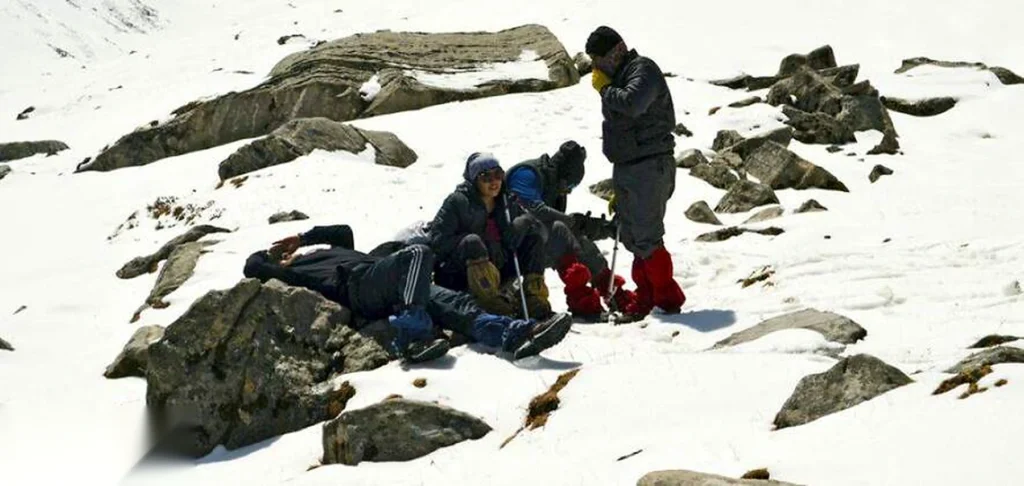
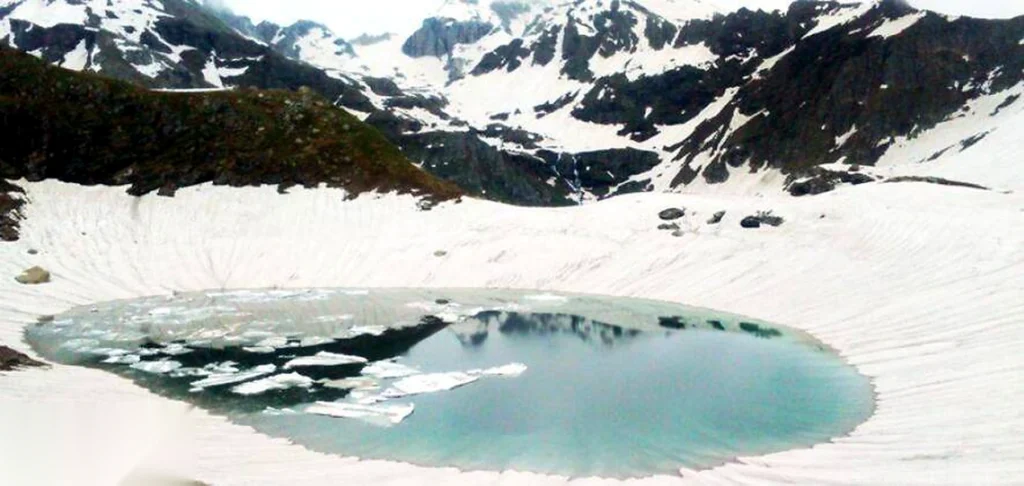


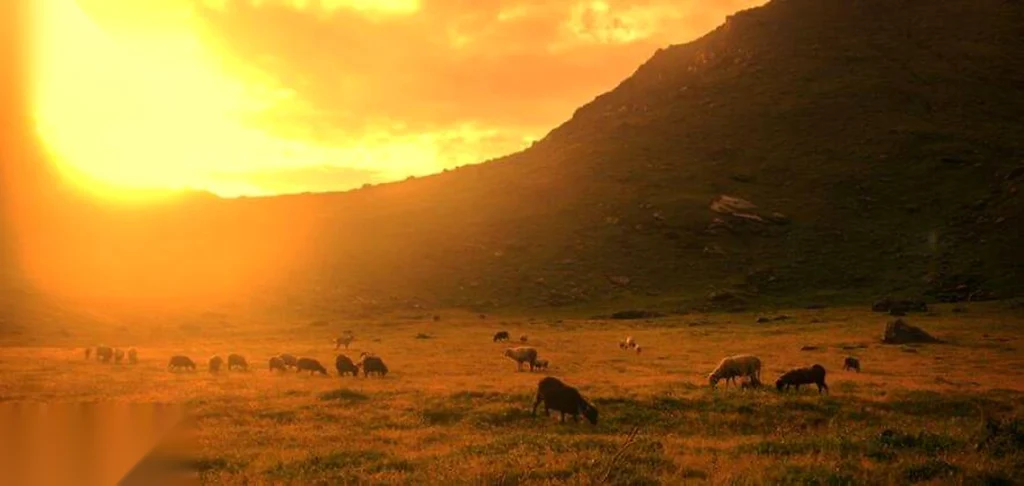
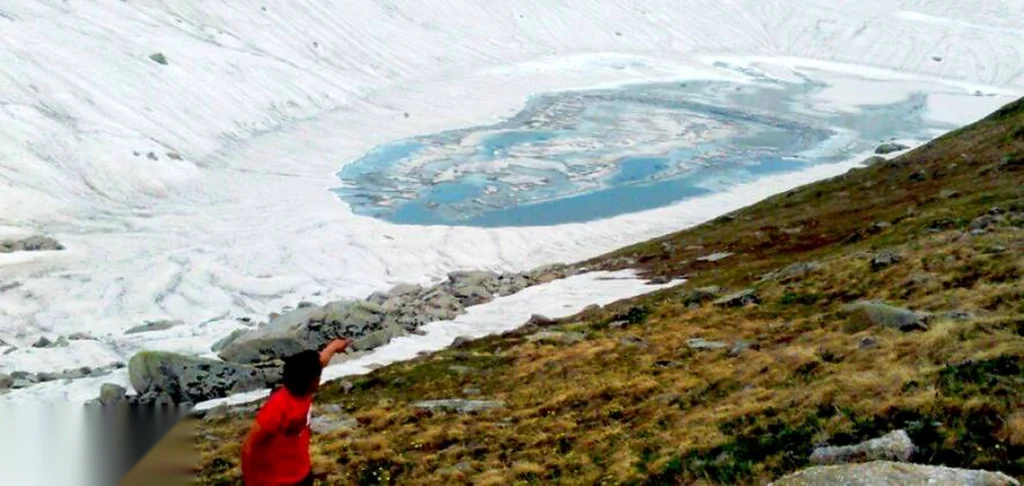
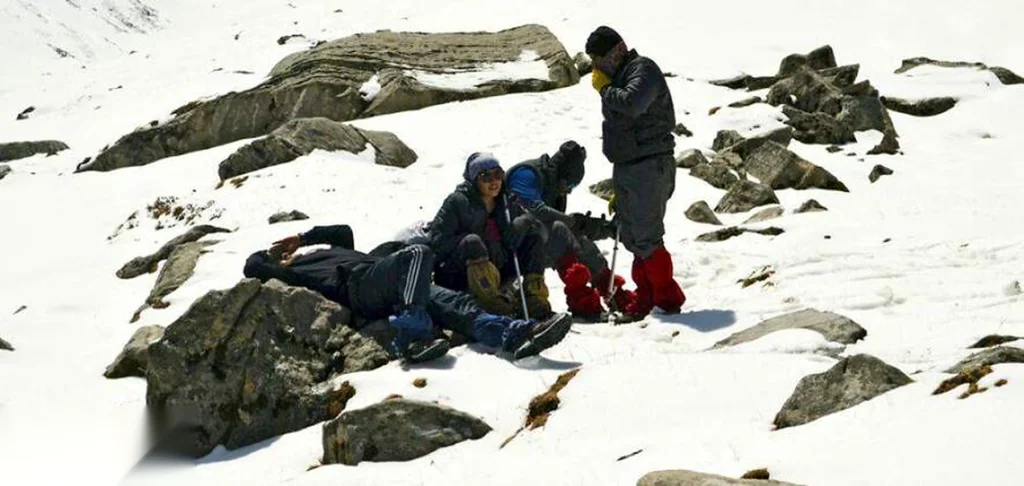
14 photographs from this journey
08
Challenging. Expect repeated 5–8 hour trekking days, sustained ascent and descent, remote camps, forest, snow, loose rock and high-altitude terrain. Technical climbing is not normally required, but previous multi-day trekking experience is strongly recommended.
The standard itinerary is 6 days / 5 nights.
The high lake-basin day reaches approximately 14,290 ft / 4,356 m.
The final operating window is late May to September. Exact trail conditions vary with snow, monsoon and early-season melt.
The route begins around Soil / Soyal near Manali. Guests meet at the confirmed 15 Mile / Patlikuhal-area pickup point and transfer towards the trek base.
Historic route material names Batarunaag Saur, Vasukinaag Saur, Futta Saur and Mata Kotli Saur. Mist, snow and cloud can hide individual lakes, so visibility is never guaranteed.
Personal baggage porter / pony support is not part of the standard price but can be arranged separately where available. Current rate and baggage allowance are confirmed before departure.
The current fixed-departure price is ₹35,000 per person + 5% GST. Choose a listed departure and traveller count through the Mountaineerz booking flow, or request a private departure.
09
The details that help you decide.
Upcoming departures
10
Three more ways into the mountains.
11
Plan this Adventure or ask a curator to shape the right journey around you.